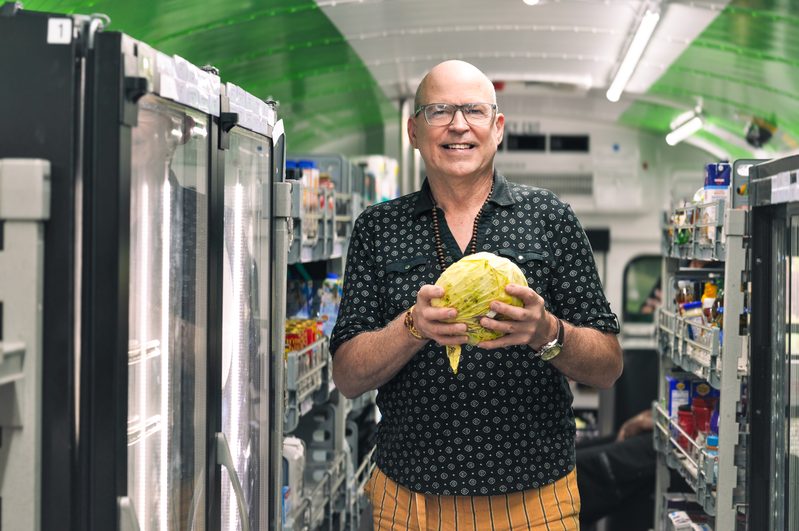
Dottie picks out produce on the Twin Cities Mobile Market
Since Dottie lost SNAP benefits in June, money has been tight. Dottie used to get $75 a month through the program. Without SNAP, Dottie’s budget is stretched to the limit, and it’s been difficult to make loan payments and afford to keep their car.
High Prices Push Families to the Limit
Like Dottie, many Minnesotans are facing difficult choices right now. The cost of groceries is 24% higher than the same cart five years ago and gas prices have skyrocketed by 34%. In the same five-year span, Minnesotans saw a 47% increase in average cost of healthcare while the median monthly rent jumped by 22%.
These costs build budget pressure year after year, pushing too many families to a breaking point and driving record demand for food support.
Bracing for a Fifth Year of Record Food Shelf Visits
When Faesal first moved to Minnesota for school, he didn’t have family nearby to help and had to rely on food shelves to get enough to eat.
Faesal is one of 9 million Minnesotans who turned to food shelves for help last year. Demand for food support in 2026 remains at an all-time high with food shelves on track to serve a record number of visits for the fifth year in a row. Food shelves Like Cross Services in Rogers are seeing rising need firsthand. They served over 21,000 people last year.
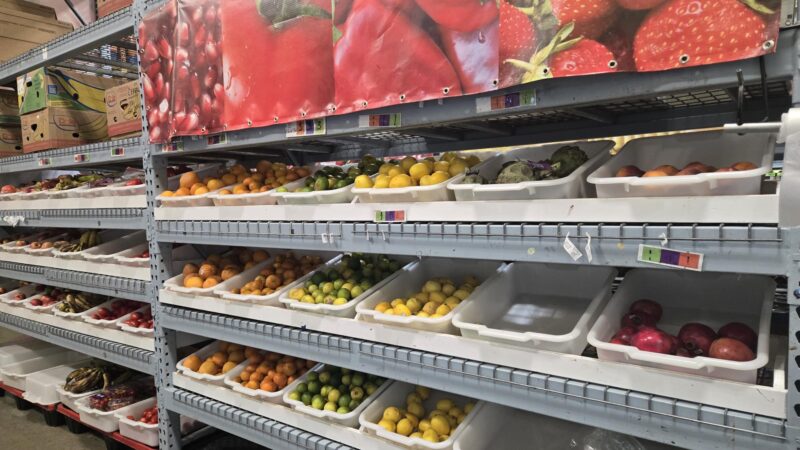
Fresh produce at Cross Services
SNAP Cuts Add Budget Pressure
Historic SNAP cuts put more Minnesotans at risk for food insecurity. Since those changes took effect, 23,643 Minnesotans have lost SNAP benefits and 77% are children. The changes also have a chilling effect for immigrants who fear negative consequences from applying for the program.

We anticipate more Minnesotans losing benefits next year as strict eligibility requirements make it harder to stay in the program.
The Echo of Operation Metro Surge
Operation Metro Surge continues to ripple across immigrant communities. After a dramatic drop in January, food shelves saw the two highest visits per month in history in February and March. The immigration enforcement operation created barriers for immigrants accessing food and resulted in $244 million in lost wages.
Food Shelves Rise to Meet the Need
Food shelves are on the frontlines of hunger and witness the impact of rising costs, SNAP cuts, and Operation Metro Surge firsthand.
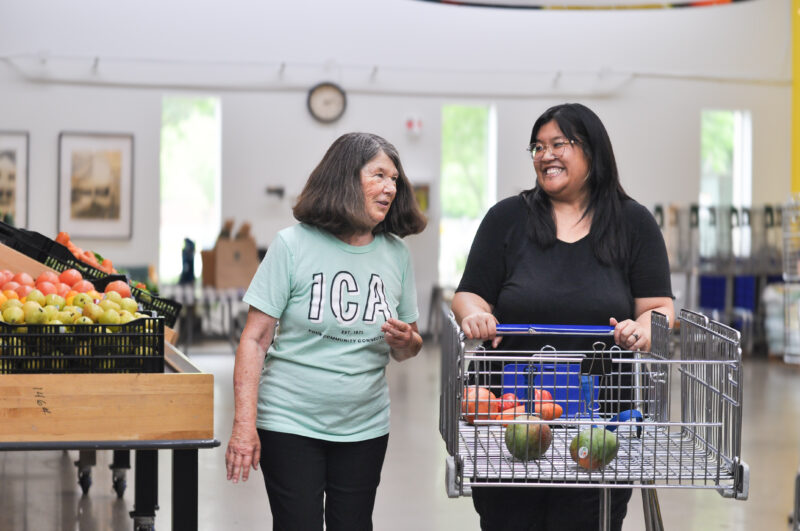
Mother of two Kriana shops at ICA food shelf
Across Minnesota, food shelves are innovating to meet unprecedented need in their community. From after-hours food lockers to expanded multilingual outreach to cooking demonstrations, food shelves are rising to new challenges with energy and creativity.
Cross works hard to meet neighbors where they’re at, providing holistic financial and community services—such as a toy shop where parents can shop for gifts for their kids.
How The Food Group Is Responding
The Food Group is working across the food system from production to distribution to fight hunger and grow a stronger food system.
Food Shelf Support
The Food Group continues to provide free food to our food shelf partners and community partners. In the last year, we shared 4,984,431 pounds of free food with our community and continue to supply the nutritious, fresh, and culturally connected foods Minnesotans deserve.

Affordable Grocery
In response to growing need, The Food Group opened 4 new Twin Cities Mobile Market sites this year to serve more urban communities without easy grocery access, such as students at the University of Minnesota. We also worked with healthcare partners to bring our Fare for All program to Greater Minnesota communities where transportation is a hurdle.
Farmer Education
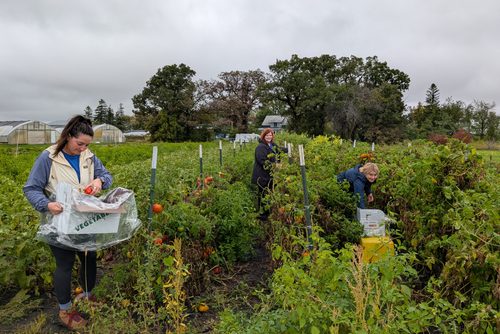
We sourced food from 50 local producers this year to share with food shelves and affordable grocery customers, and we continue to invest in our local food system through land access and education programs for emerging farmers.
Advocacy
We’re continuing to champion policies and programs that fight hunger. This year, we were able to secure vital one-time funding for hunger relief, helping food shelves respond as costs rise and visits hit an all-time high.
Thank You for Standing With Us
From food shelves to volunteers to farmers to legislators to donors, it takes many different partners to create change across the food system. Thank you for partnering with us to fight hunger and provide nutritious food to our neighbors.
More Stories
All NewsHow Our Gleaning Program Reclaims Fresh Produce for Minnesota Families
How Our AgriSolar Farm Is Expanding Land Access to Fight Hunger