
Equitable access to nutritious food has been a guiding value at The Food Group for more than 25 years. The past two months have tested that value in unexpected ways. Immigrant communities targeted by ICE faced unprecedented barriers to food access. Families could not leave their homes to visit grocery stores or food shelves. Food shelves and food banks needed new ways to distribute food while keeping participants safe.
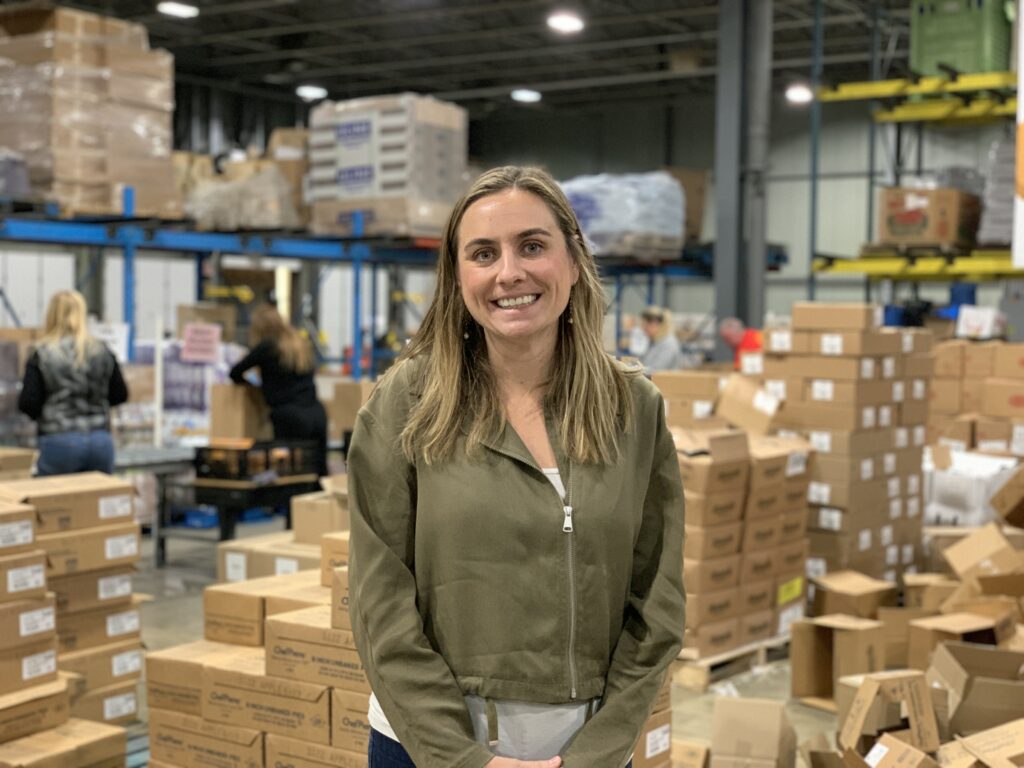
Getting a high quantity of food to immigrant communities has been paramount. At the same time, The Food Group believes that people need and deserve access to nutritious, culturally connected foods in times of crisis and beyond. The Food Group Executive Director Sophia Lenarz-Coy commented:
“When resources are threatened and need rapidly increases, it is essential to remain grounded in our values. Immigrant communities deserve nutritious, culturally connected food and we are going to keep fighting to preserve and expand that access.”
Nutrition is key to fighting hunger and creating lasting change, but access is a barrier for many food-insecure families. Some live in rural areas without easy access to grocery stores. For others, nutritious food is just too costly. Emergencies like the one created by Operation Metro Surge often magnify existing barriers and create new hurdles.
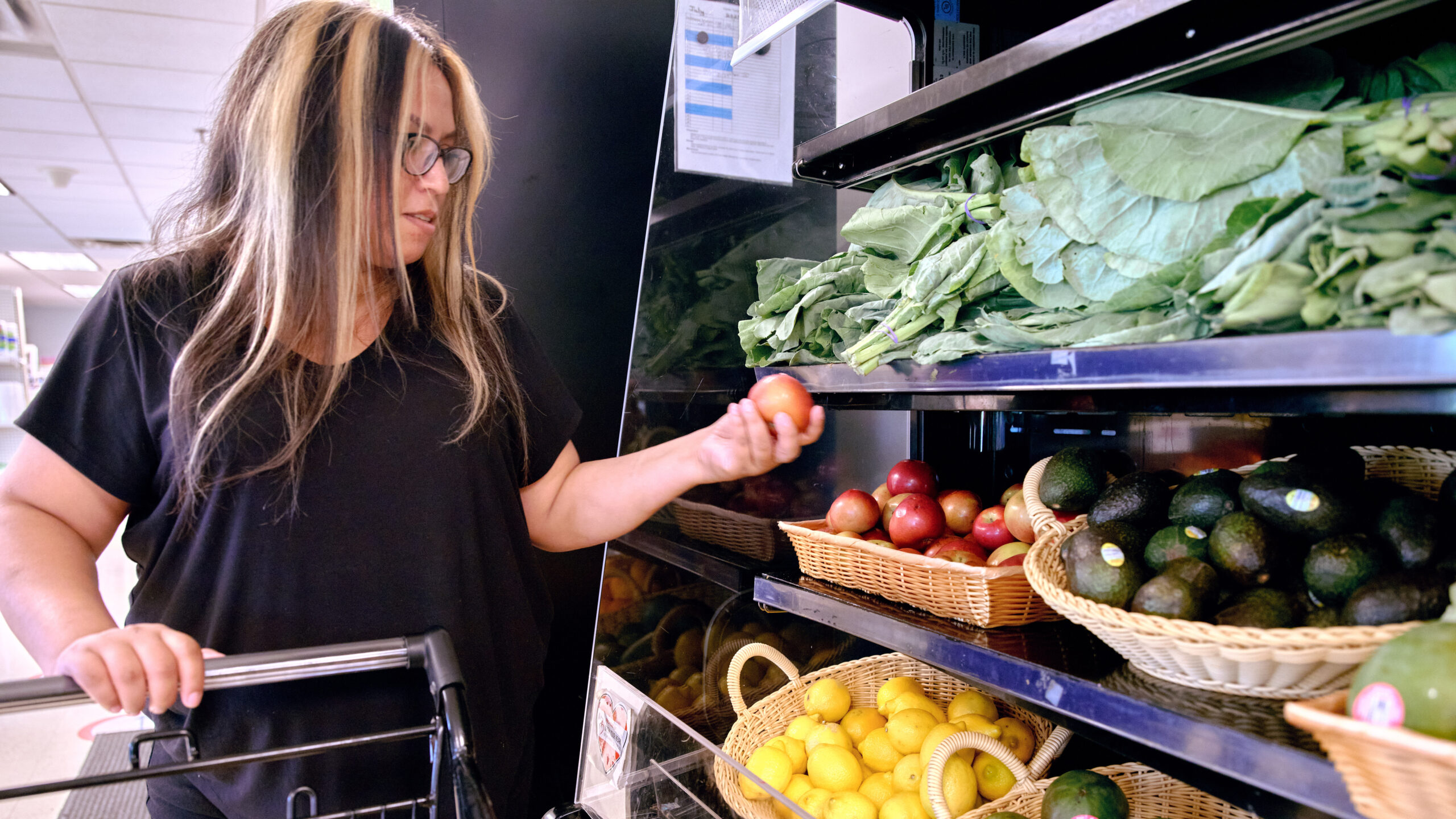
Over the past two months, The Food Group has partnered with food shelves and community partners like Dios Habla Hoy, a church in South Minneapolis. Together, we have delivered over 100,000 pounds of food to immigrant families. We have also worked to maintain access to nutritious, culturally connected foods like rice, beans, masa flour, oranges, apples, potatoes, avocados, and onions.
Longterm Impact of Nutrition Insecurity
Marna Canterbury, Vice President of Community Health & Partnerships at HealthPartners and The Food Group Volunteer Board Member, has decades of experience in the healthcare field. Marna sees a wide gap between just getting people enough food and getting people the right food for their unique needs.

Marna Canterbury, Vice President of Community Health & Partnerships at HealthPartners and The Food Group Volunteer Board Member, has decades of experience in the healthcare field. Marna sees a wide gap between just getting people enough food and getting people the right food for their unique needs.
“Food insecurity is related to access to enough food or quantity. Nutrition insecurity is a higher bar. It is about the quality and desirability of foods for individuals and families.”
Beyond immediate adverse impact, inadequate nutrition is linked to worse lifelong health outcomes, including higher rates of chronic disease and mental health disorders and higher healthcare costs. According to National Health Interview Survey, adults in households with very low food security were 15.3% more likely to have a chronic illness compared to high food-secure households. There are other consequences, too: “We know that kids who do not have adequate nutrition in the morning do not do as well in school.”
Nutrition is a protective health factor: “People who have adequate nutrition do better. As do infants born to pregnant mothers who have better nutrition. It starts early and translates across the whole life cycle.” Despite their importance, Marna commented, “Health-promoting foods in many cases are expensive. We often hear that the barrier to choosing more nutritious foods is cost, not because people do not want to eat them.”
Nutrition As A Core Value
Nutrition equity was not always central to The Food Group’s mission. In the early 2000s, many organizations focused on a high quantity of food rather than quality of food and long-term health and social outcomes.
Alison Babb, Manager of the Homegrown Minneapolis Initiative with the Minnesota Department of Health, has fifteen years of experience in the healthy food access space. She witnessed this evolution firsthand: “there was a sentiment that if these people are hungry and they need food, they shouldn’t be picky.”
The Food Group began integrating nutrition equity into our programming more than 25 years ago. Alison, remembers that The Food Group was a pioneer in healthy food access at that time.
“Kudos to the Food Group for being at the cutting edge of when the emergency food system started to emphasize the healthfulness of the food they were providing.”
In those early years, The Food Group collaborated with Blue Cross and Blue Shield of Minnesota and other partners on nutrition guidelines for food shelves. From there, The Food Group built the food sourcing model centering local, nutritious, and culturally connected food that we still use today.
The Food Group was also a founding member of SuperShelf, a model for transforming food shelves to improve access to healthy food. We worked closely with HealthPartners to get better, healthier, and more culturally connected food to food shelves.
A former nutritionist with The Food Group, Katie Wahl is now Director of Nutrition Services at Robbinsdale Area Schools. She recalls that The Food Group did not dismiss the value of shelf stable food but wanted to incorporate more community voices and expand options.

A former nutritionist with The Food Group, Katie Wahl is now Director of Nutrition Services at Robbinsdale Area Schools. She recalls that The Food Group did not dismiss the value of shelf stable food but wanted to incorporate more community voices and expand options.
“How can we just provide a little bit more access at the food bank level to some of these different foods that we know families and clients are interested in?”
Our Longterm Projects
From partnerships with local farmers to supplying culturally connected food to partners to selling fresh produce at affordable prices, The Food Group is working to increase access to nutritious foods. Our long-term projects include:
Sourcing Nutritious, Culturally Connected Food
Since 2008, The Food Group has used a Healthy Foods Policy to guide our food sourcing practices, prioritizing the nutrient-dense options Minnesotans want and deserve.
Increasing Nutrition Access
Our SNAP Rx program strengthens the connection between healthcare and anti-hunger organizations. Through Snap Rx, food-insecure patients are referred to our Minnesota Food HelpLine and then connected to food resources specific to their needs. The Food Group’s Market Bucks is a statewide nutrition incentive program that also helps to keep nutritious, local food affordable while also supporting local farmers and small businesses.
Developing New Frameworks
Nutritional standards often center food common in Western contexts. Thanks to a generous grant from Takeda, The Food Group is developing a new, culturally connected nutrition framework.
Access to Nutritious Food Is A Human Right
Access to quality, nutritious food is a human right. The Food Group is proud to work with farmers, community partners, and food shelves to improve access to food that nourishes both body and spirit–in crisis and beyond.

You must be logged in to post a comment.