
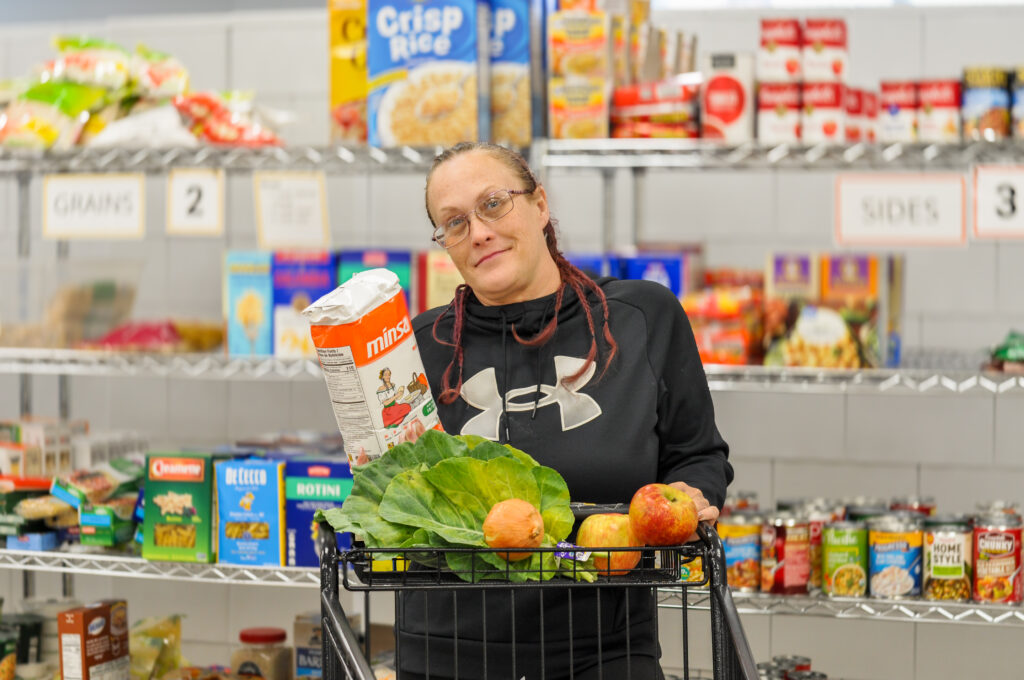
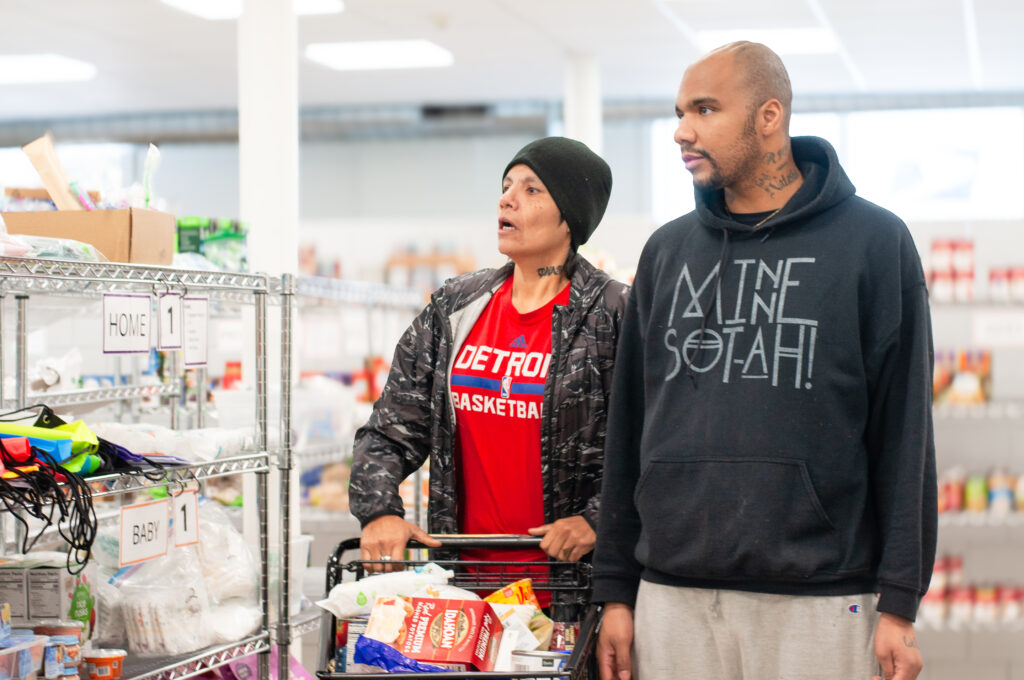
Participants select groceries at Community Emergency Services (CES) in Minneapolis
Minnesotans made 9,026,843 visits to food shelves in 2025, the most visits ever recorded. The data comes from The Food Group’s 2025 Minnesota Food Shelf Visits Report, which tracks 470 TEFAP-participating food shelves across Minnesota.

This year marks a historic high for the fourth year in a row and 2.5 times more visits than pre-pandemic 2019. Food shelf visits have risen drastically in both urban and rural communities over the past twenty years and are five times higher today.
Visits jump in 2019 and remain at record highs
The Food Group Executive Director Sophia Lenarz-Coy commented: “This isn’t an isolated spike. It’s a multi-year, statewide trend of record visits and high grocery costs.” The Food Group partner White Earth Food Shelf has seen the rising need firsthand.
“A lot of working families come in because of prices being so high with everything. The food shelf really helps them out and a lot of times I’ll see them twice a month.”
– Tim Rindalh, White Earth Food Shelf Manager
White Earth Food Shelf serves enrolled members of the White Earth Nation and surrounding community. The need is worse, Tim says, for elders in his community: “We’ve been noticing an increase in our senior visits too, because Social Security hasn’t gone up, but everything else has gone up… our single elders are really struggling.”
Partnering with Food Shelves Statewide
The Food Group partners with 191 food shelves and tribal partners to source and distribute free and affordable food. We also partner with food shelves statewide to provide technical assistance, grants, and support. We’ve had the honor of working closely with White Earth Food Shelf in both capacities. Tim commented on the collaboration:
“I want to say thank you to The Food Group for making this possible for us. We didn’t even know something like this existed and the impact it has made here is just unbelievable. I grew up hungry and that is still going on today, but the food banks really help.”
– Tim Rindalh, White Earth Food Shelf Manager
Federal Uncertainty and Cuts
Although food shelf visits hovered just above last year’s record highs, the landscape of hunger changed significantly this past year. The largest cut to SNAP in history is putting 32,0000 Minnesotan families and seniors at risk of losing food support. Tim shared that anticipation of SNAP cuts impacted visits.
“When the word got out about SNAP being cut, it really overwhelmed us … People knew that they weren’t going to get their SNAP benefits, so they really hit us hard.”
– Tim Rindalh, White Earth Food Shelf Manager
SNAP delays in October and November only added to Minnesotans’ stress. Many turned to food shelves as they waited anxiously for their benefits to arrive.
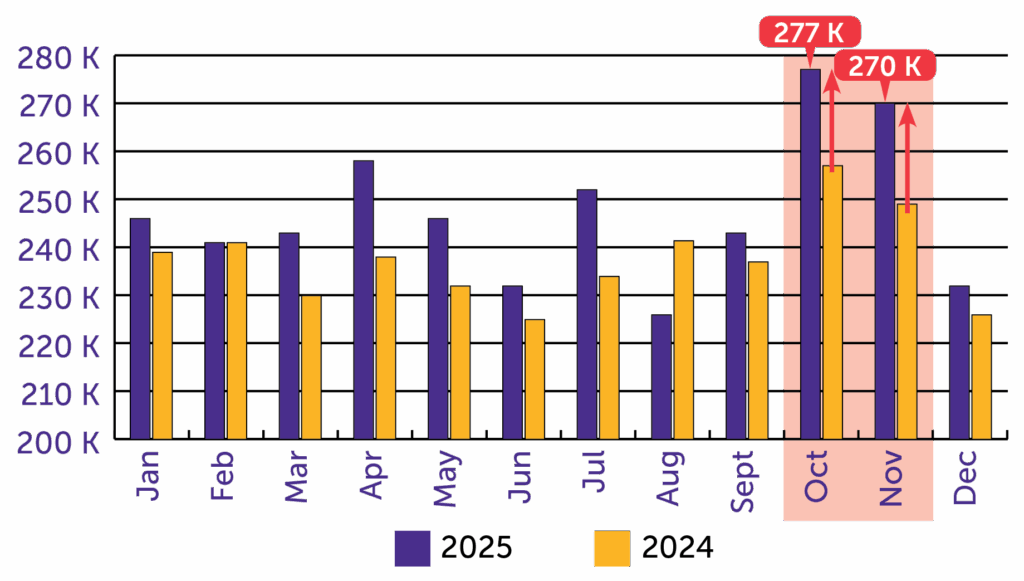
White Earth Food Shelf went from around 400-600 visits a month to over 2,000. Likewise, The Food Group recorded 20,000 more households visiting food shelves in October and November 2025 compared to 2024.
SNAP delays October and November drove higher need
Some food banks and food shelves also faced a reduction in free food available through federal programs like The Emergency Food Assistance Program. TEFAP-participating food shelves distributed 3.7 million pounds fewer in 2025.
Food shelves like White Earth are doing everything they can to ensure that families still get what they need each week: “We like to make it so they can come in and get a good five-day supply of food and go home and be able to feed those kids and those families.”
High Costs Add to Budget Pressure
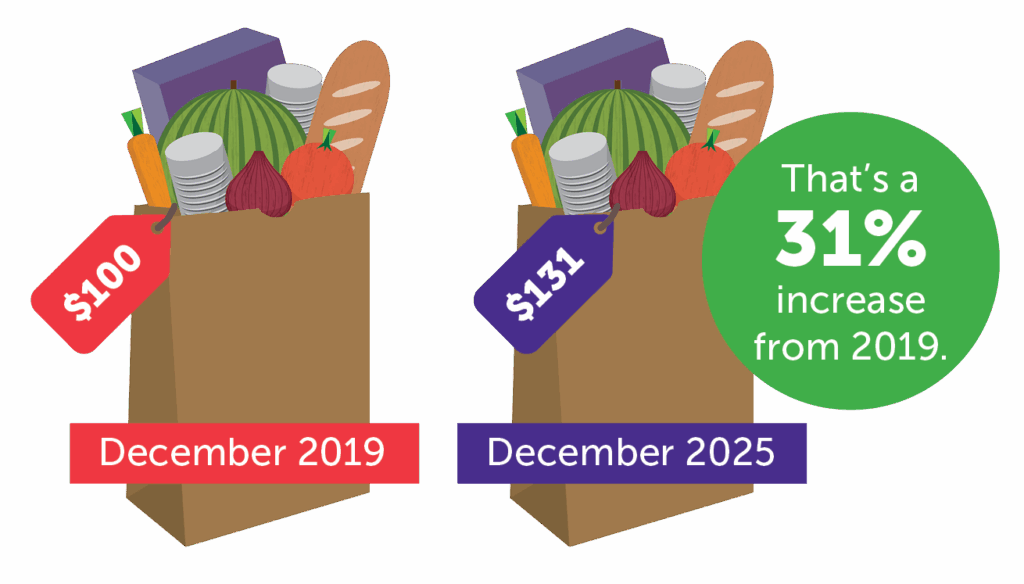
Minnesotans have struggled to keep up with the cost of food amid reduced federal food assistance. The same groceries that cost $100 in 2019 now ring up at $131—a 31% increase from 2019 and a 3% jump from last year.
Budget pressure builds year by year, forcing families to choose between groceries and other necessities. The Minnesota Food Shelf Participant Survey captures the responses of 9,759 hoppers at 308 food shelves statewide. 72% reported choosing between food and other expenses. Tim commented, “They live paycheck to paycheck and it’s either groceries or do I get propane?”
Food Shelves Hold the Line
Minnesota food shelves continue to hold the line against hunger, reimagining ways to increase access and get quality, nutritious food to those who need it most. White Earth is a powerful example of a food shelf creatively meeting community where they’re at.
The White Earth Reservation is situated in Northwestern Minnesota at the epicenter of many small villages and spanning 1,300 square miles across multiple counties. Some community members face transportation barriers to access food while others don’t have stable housing, Tim shared. White Earth brings the food shelf to them: “We go to 9 villages where we set up shop. We take our truck and take the applications and pass out our food boxes. The response has been overwhelming.”
Immigrant Food Access in 2026
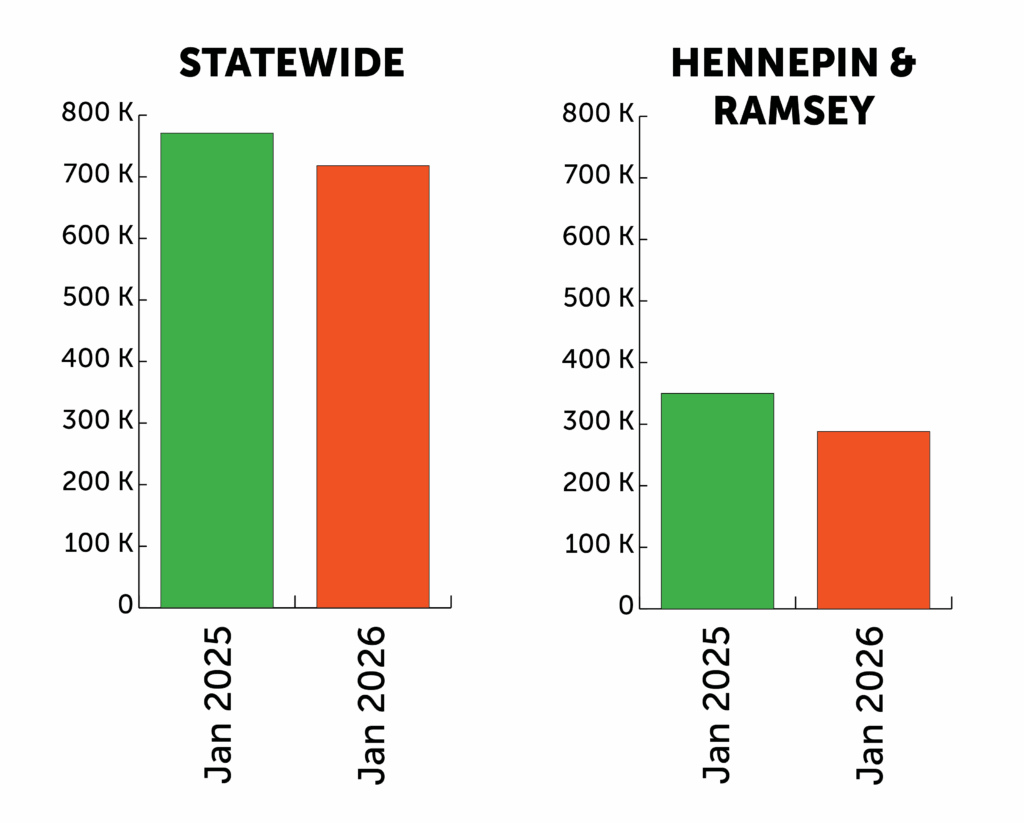
2025 presented historic hurdles to food security and now increased ICE activity has created even greater barriers for communities of color in 2026. Food shelves statewide saw a 7% dip in visits in January compared to last year. Food shelves in Hennepin and Ramsey counties had an even more dramatic 17% drop in visits as families choose between food and safety.
Food shelf visits drop in January during Operation Metro Surge
Sophia Lenarz-Coy commented, “Operation Metro Surge has only magnified barriers to food access for immigrant communities in 2026 and created operational challenges for food shelves and food banks alike.”
Toward A Hunger-Free Minnesota
Minnesota’s food shelves have been amazingly flexible and creative with their resources, but long-term investment in the statewide hunger relief system is needed.
“We weathered many changes to anti-hunger funding in the past year. Cuts to SNAP and free food reductions put extreme pressure on Minnesota’s hunger relief system, which was already serving record numbers.”
– Sophia Lenarz-coy, Executive Director of The food Group
The Food Group believes that food shelves like White Earth and programs like SNAP remain our best safeguards against hunger. Alongside our partners and community, we will keep fighting for investment in the critical services Minnesotans need and deserve.

You must be logged in to post a comment.