
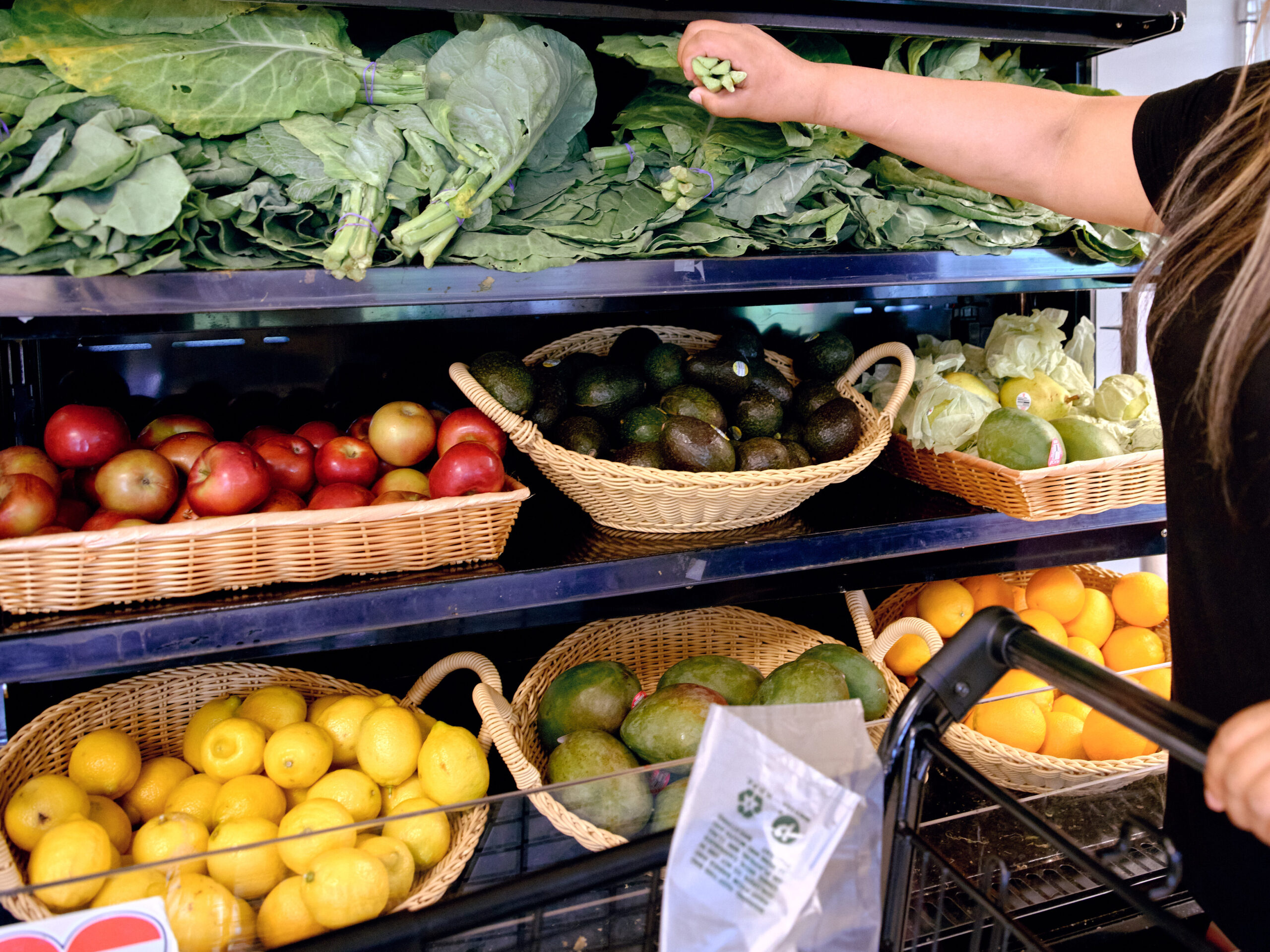
For Minnesota mom Tasha*, finding the right food to nourish her family is a lot of work. Multiple members of her family have chronic illnesses with specific dietary needs. To meet those needs on a limited budget, Tasha sometimes needs both food shelf support and federal food assistance through SNAP. But, accessing these resources takes time and energy—a precious commodity for a working, single mom of two.
Still, Tasha works hard to figure it all out. In addition to completing complicated paperwork to qualify for food assistance, Tasha shared: “Sometimes I have to stay up until midnight several days in a row just to sign up for a food shelf appointment—and you can only go once a month.”
Tasha was a member of The Food Group’s 2024 Lived Experience Leadership Cohort. Her story illustrates just how much mental labor goes into feeding a family in Minnesota.
Finding Food Is a Daily Stressor
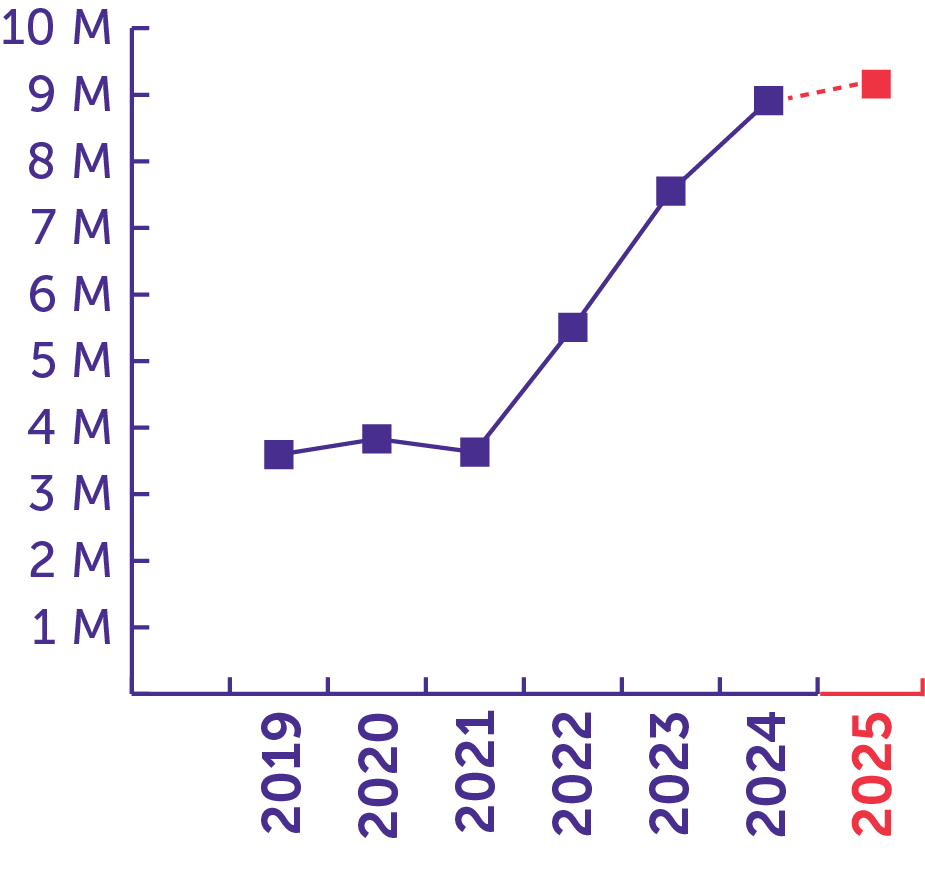
For many Minnesotans, finding food is a daily stressor. Minnesotans made nearly 9 million visits to food shelves in 2024. So far, visits in 2025 mirror those record-breaking trends. In addition, about 453,900 Minnesotans rely on SNAP—a federal program that provides food benefits for low-income individuals and families.
Many families assemble an intricate jigsaw of resources to get the food they need—from food shelves to affordable grocery programs to coupon clipping and sale shopping to federal food assistance to school meal programs. That’s because one resource isn’t usually enough to meet all their food needs. Tasha explained: “even working and being on SNAP still isn’t enough.”
Food Insecurity and Mental Health
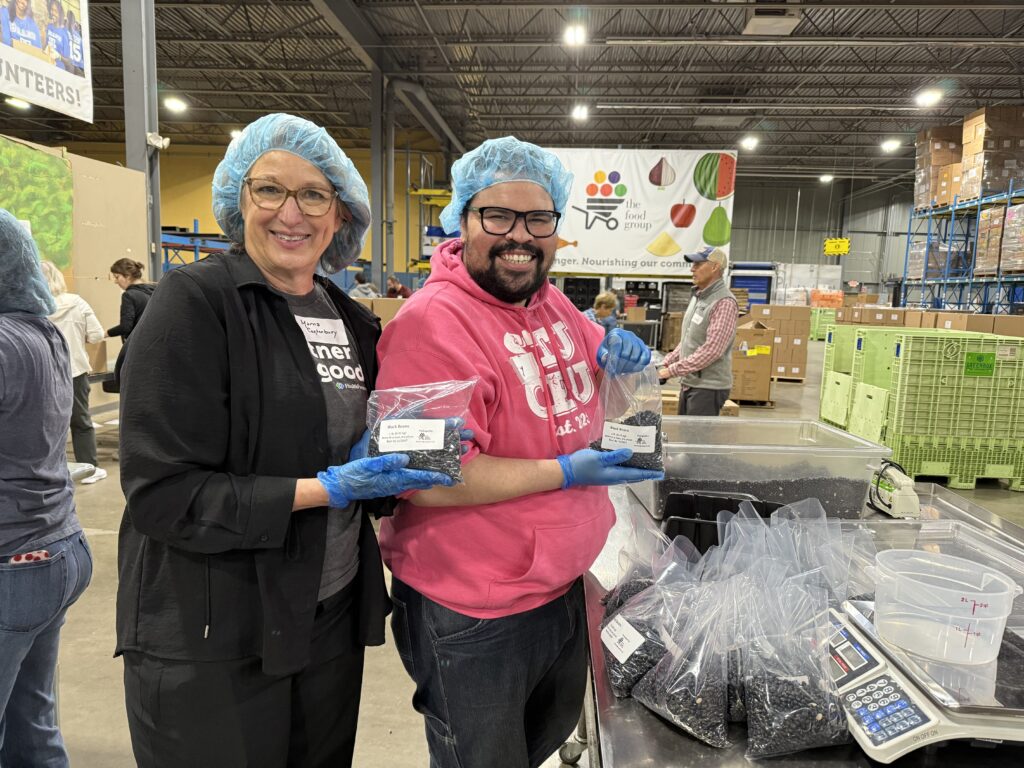
Marna Canterbury, Vice President of Community Health & Partnerships at HealthPartners and The Food Group Volunteer Board Member, sees an undeniable connection between the food we eat—or don’t eat—and our long-term health outcomes:
Marna volunteering (on left) with colleague.
“Food insecurity is a major risk factor when it comes to people’s health, including chronic disease. It includes the mental stress of thinking about how to access food for your family.”
The physical effects of food insecurity are well known, but the mental toll is just as powerful. Marna explained:
“There is strong evidence that people who are experiencing food insecurity experience associated stress and higher rates of anxiety and depression.”
A 2020 study of low-income Americans found that food insecurity was associated with a 257% higher risk of anxiety and a 253% higher risk for depression. Another long-term study found that people with very low food security experienced depression at five times the rate of fully food secure people.
Anxiety over finding food also disrupts sleep patterns, impacting people’s capacity to work and function. One 2019 study found that food-insecure people were almost twice as likely to develop sleeping disorders.
The Mental Load of Feeding A Family
Worrying about your next meal or navigating a complicated food assistance system can heighten stress, particularly for someone already struggling. Marna commented:
“People who are just scrounging trying to figure out how to feed their families—that mental load is significant. We also know that inadequate food and nutrition can lead to decreased attention, fatigue and lack of focus at work or at school.”
Many food-insecure families make difficult decisions about where to put limited resources. For example, food shelf participants in the 2022 Minnesota Food Shelf Survey reported choosing between spending limited funds on food or other necessities like healthcare and housing. Marna added:
“The same people experiencing food insecurity are experiencing other negative impacts on their health, whether that’s the stress of housing, poverty, or inability to pay bills.”
Food Security Supports Mental Health
Research indicates that the severity of negative health outcomes rises with worsening food insecurity. But when food security is restored, mental health improves rapidly. Ultimately, Marna explained, we can’t treat food access as separate from mental health:
“In talking with our medical and behavioral health experts, addressing food insecurity is part of addressing mental health.”
At The Food Group, we believe that food is more than just what we eat each day. Food impacts how we feel physically and emotionally, which affects our long-term relationships, academic and career opportunities, and more. Quite simply, when people have what they need to thrive—physically and emotionally—they do better overall.
SNAP Cuts Are a Threat to Mental Health
SNAP is a critical resource for food-insecure families with proven mental health benefits. A national study found that participation in SNAP for six months was associated with a 38% reduction in psychological distress.
The cuts could devastate families like Tasha’s: “With less food support, I will have not enough money to pay for basic needs such as my housing, utilities, and car. I could lose it all and end up homeless.”
Many healthcare providers are also bracing for the impact of recent cuts, particularly as state food shelves strain to meet the rising need. Over the past few months, Marna has received calls from concerned providers with patients saying that food shelf lines are getting longer or they aren’t getting enough food when they go. Now she’s concerned cuts will make things worse:
“We’re fully expecting that the wellbeing of our patients and healthcare members is going to be adversely affected by this.”
An Impossible Standard
Qualifying for SNAP is already tricky and it’s about to get more complicated. Recent changes to the application process will increase the paperwork burden and make it harder—and more stressful—for people to get the food they need.
Marna recalled helping her mother-in-law apply for Medicaid, a federal health insurance program for low-income Americans. Although she’s been in healthcare for decades and speaks English fluently, she still struggled to understand the process. She sees the same issue with SNAP:
“We hold our stressed, food insecure families to an even higher bar than most of us would be able to manage.”
Serving Community While Mobilizing for Change
The Food Group is proud to work closely with our healthcare partners to meet patients where they’re at and demystify the process of finding food support. Yet even as we help people find food for today, we also look toward tomorrow.
Everyone should have access to food that supports their wellbeing. Food-insecure families should not have to navigate even higher hurdles just to put food on the table.
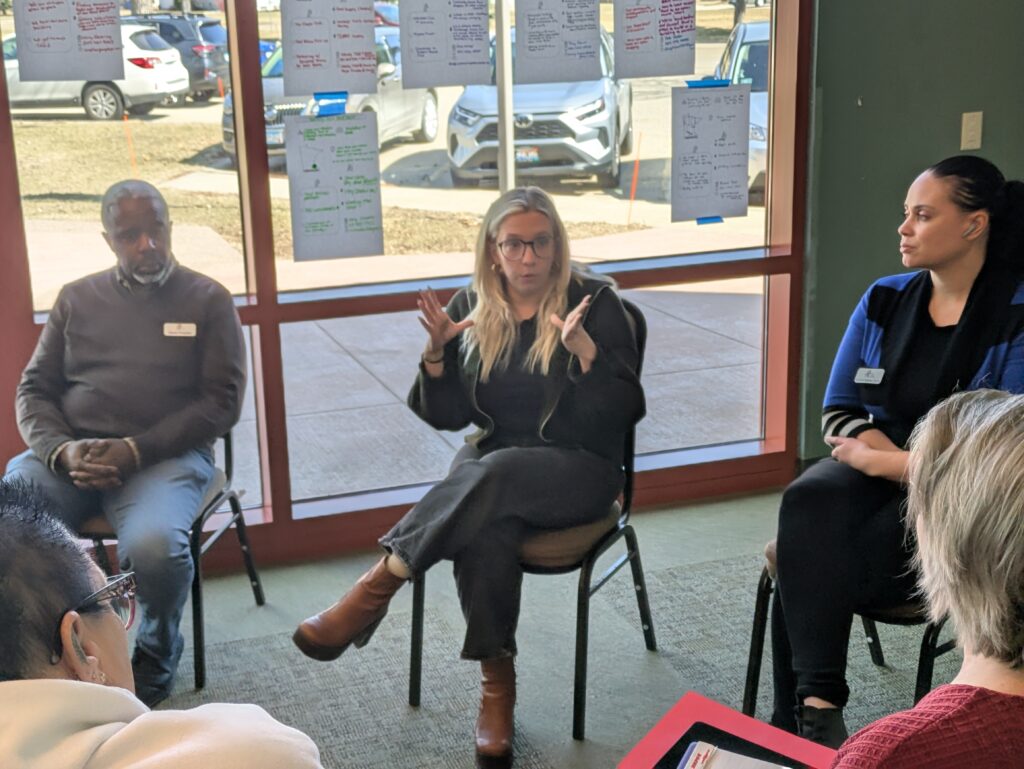
The Food Group is actively hosting statewide conversations with Minnesota food shelves and collaborating with statewide partners to reduce the harm caused by SNAP cuts and meet the challenges ahead. We will also continue to document and speak about the impact of SNAP cuts on our community—because no one should have to worry about how they will feed their family this week.

You must be logged in to post a comment.